
Is your platform struggling to keep up with new rules, changing player habits, or growing competition? This challenge frustrates many operators. To achieve sustained growth in a rapidly evolving iGaming market, all you need is to build an adaptable platform. This allows operators to quickly adjust and achieve lasting success.
This article focuses on building the best scalable iGaming platform in the competitive market, the key lessons learnt from user-centric platform deployments, challenges, and more.
Key Lessons from Million-User Scalable iGaming Deployments
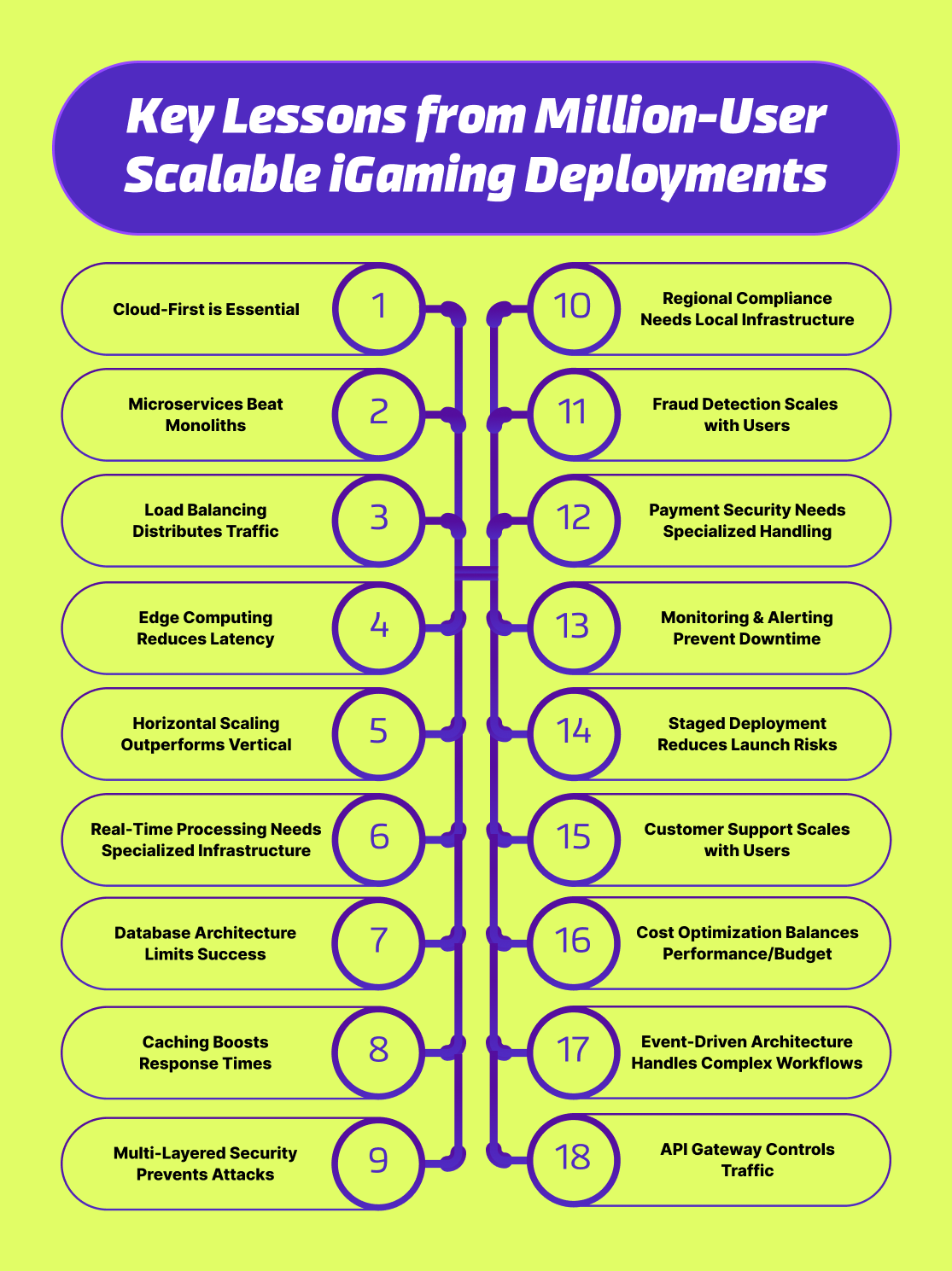
Cloud-First is Essential
Cloud platforms like AWS, Google Cloud, and Azure power most top sportsbooks, offering 99.99% uptime. This means that the site rarely goes down. Big events like the World Cup or Super Bowl bring massive betting spikes. Auto-scaling helps by adding more servers automatically when traffic rises, ensuring smooth betting, even during sudden surges.
Microservices Beat Monoliths
Breaking platforms into smaller services allows independent scaling. Payment processing, user authentication, and game logic can scale separately based on demand. This prevents bottlenecks when one service faces a high load.
Load Balancing Distributes Traffic
Several iGaming platforms handle over 2.5 million concurrent users through smart load distribution. Multiple servers share the workload, preventing crashes during peak periods.
Edge Computing Reduces Latency
Placing servers closer to users cuts response times from hundreds to tens of milliseconds. This matters most for live betting, where delays cost a lot of revenue.
Horizontal Scaling Outperforms Vertical
Adding more servers works better than upgrading existing ones. Platforms can handle unexpected growth by adding capacity quickly. This approach of scalable iGaming platforms also provides better fault tolerance.
Real-Time Processing Needs Specialized Infrastructure
Live betting and instant withdrawals need dedicated systems. WebSockets and persistent connections keep data flowing smoothly between servers and clients. Event sourcing helps track all changes for audit purposes.
Database Architecture Limits Success
Traditional single databases hit walls at high transaction volumes. Distributed systems handle millions of operations per second by spreading data across multiple nodes. This prevents bottlenecks during busy periods.
Caching Boosts Response Times
Popular data gets stored in fast-access memory. Game odds, user profiles, and session data load instantly when cached properly. This reduces database load and improves user experience.
Multi-Layered Security Prevents Attacks
DoS attacks target gaming platforms regularly. One operator faced 11 billion requests in hours. Successful platforms use AWS Shield, CloudFlare, and custom filters to block malicious traffic while allowing real users through.
Regional Compliance Needs Local Infrastructure
Gaming laws vary by country. Platforms need Gaming server scaling in specific regions to meet data residency rules. Local presence also reduces latency for a better user experience.
Fraud Detection Scales with Users
AI-powered monitoring spots suspicious betting patterns. Machine learning models analyze millions of bets in real-time to catch cheating attempts. These systems must scale alongside user numbers.
Payment Security Needs Specialized Handling
Financial transactions need extra protection. End-to-end encryption (AES-256) secures all payment data. Separate payment microservices isolate financial operations from other platform functions.
Monitoring & Alerting Prevent Downtime
Successful platforms track hundreds of metrics continuously. CPU usage, memory consumption, and response times are monitored 24/7. Automated alerts catch problems before users notice issues.
Staged Deployment Reduces Launch Risks
Phased rollouts test systems with real users gradually. Starting with one region or user group allows for fixing problems before full launch. This approach prevents massive failures that damage reputation.
Customer Support Scales with Users
Million-user platforms need dedicated support teams trained on technical issues. Live chat, email, and in-app messaging handle user problems quickly. Poor support during growth phases loses customers permanently.
Cost Optimization Balances Performance/Budget
Reserved instances cut cloud costs by 30-60% for predictable workloads. Spot instances handle batch processing at 90% discounts. Smart resource allocation prevents overspending during traffic spikes.
Event-Driven Architecture Handles Complex Workflows
Gaming platforms process millions of events daily. Inclusion of systems is crucial to queue and process betting events, payment requests, and user actions reliably. This prevents data loss during peak periods.
API Gateway Controls Traffic
Central entry points manage all external requests. Rate limiting prevents abuse, while routing directs traffic to appropriate services. This design protects backend systems from overload in the scalable iGaming platforms.
Core Challenges in Scaling iGaming Platforms
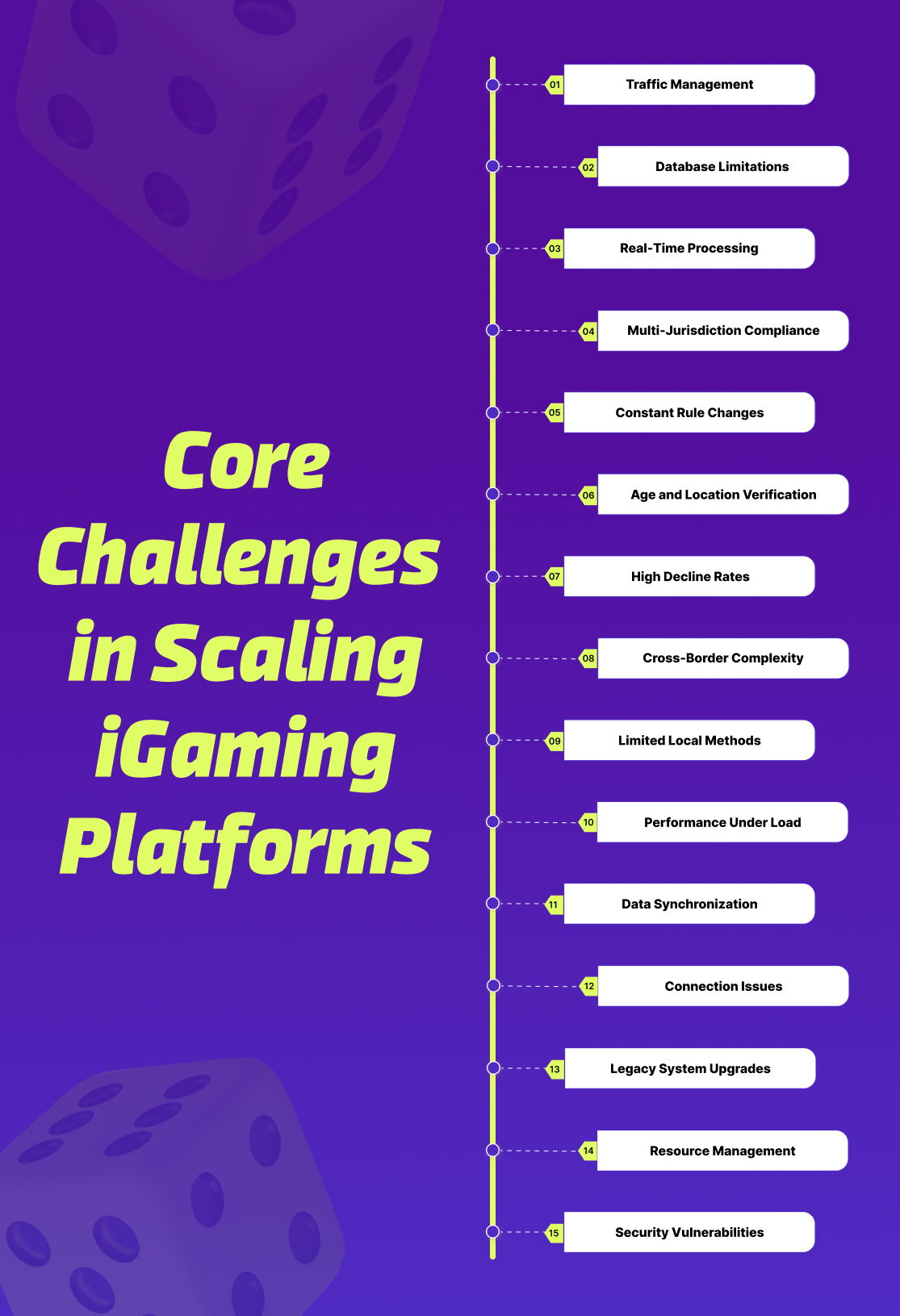
Scaling iGaming platforms presents unique technical and business obstacles. Here are the key challenges operators face:
Traffic Management
Platforms struggle with massive traffic spikes during major events. A single championship match can bring hundreds of thousands of concurrent users, placing bets simultaneously. Many legacy systems crash when handling these unexpected surges.
Database Limitations
Traditional monolithic databases like Oracle and MySQL cannot efficiently scale for write-intensive workloads. This creates bottlenecks during peak usage and requires costly manual scaling efforts.
Real-Time Processing
Modern betting demands instant odds updates and transaction processing. Any delay causes disputes, financial losses, and user frustration. Legacy REST APIs struggle with real-time streaming requirements.
Multi-Jurisdiction Compliance
Each country has different gambling laws, taxation rules, and licensing requirements. Operators must navigate varying AML/KYC regulations across multiple markets simultaneously.
Constant Rule Changes
Regulations evolve rapidly. New compliance requirements emerge regularly, forcing platforms to rebuild systems, causing hindrance in developing and managing scalable iGaming platforms.
Age and Location Verification
Platforms must verify player ages and block access from restricted regions. VPNs and location-hiding tools make geolocation verification extremely challenging.
High Decline Rates
Banking restrictions frequently block gambling transactions. Players face repeated payment rejections, leading to higher abandonment rates.
Cross-Border Complexity
International payments take days or weeks to process. Currency conversion fees and multiple intermediary banks increase costs significantly, resulting in lower iGaming platform scalability.
Limited Local Methods
Operators struggle to offer region-specific payment options like BLIK (Poland) or Pix (Brazil). Missing preferred payment methods causes 70% of users to abandon platforms.
Performance Under Load
Apps with poor UX see 400% lower conversion rates. Slow loading times and complex interfaces drive users away immediately.
Data Synchronization
Second-screening users expect perfect sync between TV and mobile apps. Poor synchronization ruins the live betting experience.
Connection Issues
Users lose connectivity when switching between networks. This forces app refreshes that rebuild game states from scratch.
Legacy System Upgrades
Many platforms run on outdated casino platform architecture, not built for modern demands. Upgrading creates compatibility issues with third-party modules.
Resource Management
Poor capacity planning leads to database resource shortages and network bandwidth limitations. Wrong cloud subscription levels cause performance problems.
Security Vulnerabilities
A lot of gambling account credentials get exposed in data breaches every year. Growing user numbers increase attack surfaces, making it difficult to maintain scalable iGaming platforms.
Building a Future-Proof Platform: Cost of Turnkey iGaming Platform Development
| Component | Investment Range (Approx) | Timeline | Key Benefits |
|---|---|---|---|
| Basic Turnkey Package | $100,000 – $250,000 | 6-12 weeks | Ready-to-launch platform with core features |
| Premium Solution | $300,000 – $500,000 | 12-16 weeks | Advanced features, multi-game integration |
| Enterprise Platform | $500,000 – $1.5M | 16-24 weeks | Full customization, scalable architecture |
| Licensing Costs | $25,000 – $150,000 | 4-8 weeks | Malta, Curacao, or Gibraltar permits |
| Payment Integration | $5,000 – $20,000 | 2-4 weeks | Multi-currency, crypto support |
| Game Content | $20,000 – $500,000 | 1-3 weeks | Games integration from top providers |
| Compliance Setup | $5,000 – $50,000 | 2-6 weeks | KYC/AML, responsible gaming tools |
| Marketing Launch | $10,000 – $100,000 | Ongoing | SEO, affiliate programs, brand building |
Optimizing for Performance and Growth
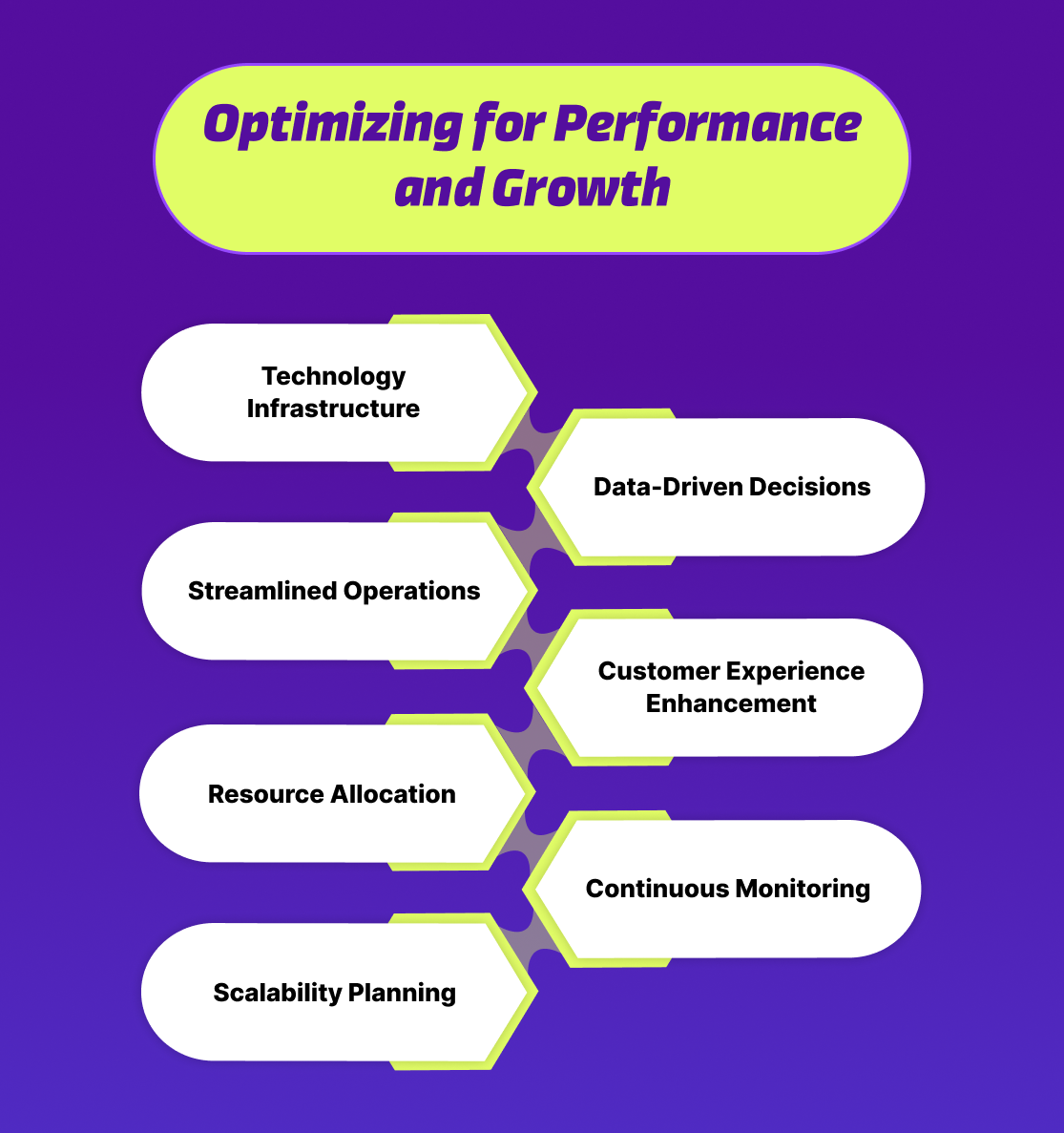
Performance optimization drives business success in today’s competitive market. Companies must focus on key areas to achieve sustainable growth via iGaming platform scalability.
1. Technology Infrastructure
- Cloud solutions provide scalability without major investments.
- Regular updates ensure optimal functionality.
2. Data-Driven Decisions
- Real-time analytics reveal customer behavior patterns. Performance metrics guide strategic planning.
- Quick adjustments maximize revenue opportunities.
3. Streamlined Operations
- Automated processes reduce manual errors. Integrated systems eliminate workflow bottlenecks.
- Teams collaborate more effectively with unified platforms.
4. Customer Experience Enhancement
- Fast loading times improve user satisfaction.
- Mobile-responsive designs capture broader audiences. Personalized interfaces increase engagement levels.
5. Resource Allocation
- Strategic budget distribution focuses on high-impact areas.
- Smart investments deliver measurable results.
- Performance monitoring identifies underperforming segments.
6. Continuous Monitoring
- Regular system health checks prevent major issues.
- Proactive maintenance reduces downtime risks.
7. Scalability Planning
- Flexible architectures accommodate growth spurts.
- Modular designs enable feature additions.
- Strategic partnerships support scaling requirements.
Security and Compliance at Scale
- Ensure end-to-end data encryption to protect user information in transit and at rest.
- Apply strict access controls. Only authorized staff have access to critical systems and data.
- Use multi-factor authentication to verify identities before granting any system access.
- Monitor system logs continuously for unusual activity. This helps spot threats early.
- Automate compliance checks to meet global and local regulations at high scale.
- Keep software dependencies up to date. This reduces exposure to known vulnerabilities.
- Conduct regular security audits. Fix gaps before they become risks.
- Segment your network. Limit access between components to contain potential breaches.
- Encrypt backups and test restores often. This ensures data safety and recovery readiness.
- Train your team on security best practices. Regular drills build readiness and awareness.
- Integrate real-time threat intelligence feeds. Respond quickly to new risks.
- Document compliance processes clearly. This supports audits and builds trust with partners.
- Define incident response plans. Assign roles and steps. This speeds up remediation.
- Use intrusion detection systems to flag suspicious behavior at scale.
- Validate third-party vendors for security and compliance before integration.
- Adopt continuous monitoring dashboards. Track compliance metrics in real time.
Scale Smart with GammaPlus’s iGaming Solutions
GammaPlus’s iGaming solutions are designed for growth and long-term success. We have delivered 100+ global projects serving operators of all sizes, and supported launches in regulated markets. Our platforms are fast, flexible, and easy to scale as your business expands. From seamless integration to reliable compliance support, we ensure smooth operations across all regions. GammaPlus helps operators reduce costs, save time, and unlock new revenue streams. With a proven track record and advanced technology, we stand as a trusted partner for sustainable growth. Choose GammaPlus and move your iGaming business forward with confidence.
Frequently Asked Questions (FAQs) on Million-user Gaming Deployment
What does “scalable platform” mean in iGaming?
A scalable platform refers to those platforms or solutions that can adapt or accommodate growing requirements and data. It handles more players, games, and traffic without slowing down or breaking. It must be built with flexible parts that can stretch easily.
How do I ensure high availability during traffic spikes?
Deploy auto-scaling servers in the cloud. Use load balancers and CDN caching for peak performance, even if you own high-traffic casino platforms.
How can I integrate new game providers quickly into my scalable casino software?
Build a unified integration layer with standardized APIs. This reduces development time for each new vendor.
How can GammaPlus accelerate platform scaling?
GammaPlus offers modular components that plug into your system. You get ready-made services like payment gateways and reporting dashboards.
Can GammaPus help avoid these scaling issues?
Yes. GammaPus offers modules ready for payments, multi-currency, state compliance, and auto scaling. We reduce the time wasted on building every piece. You get a faster launch and fewer unexpected issues.